Starting with Creation and Concluding in Maintenance: Uncover the Broad Selection of Outdoor Services We Provide
Landscaping solutions involve a wide range of offerings, from initial design concepts to ongoing maintenance. Each step is vital in building and maintaining an outdoor area that matches personal preferences and environmental considerations. By comprehending the procedure and alternatives at hand, homeowners can choose wisely that enhance both visual appeal and practical use. What particular features should one consider to ensure a prosperous outdoor renovation?
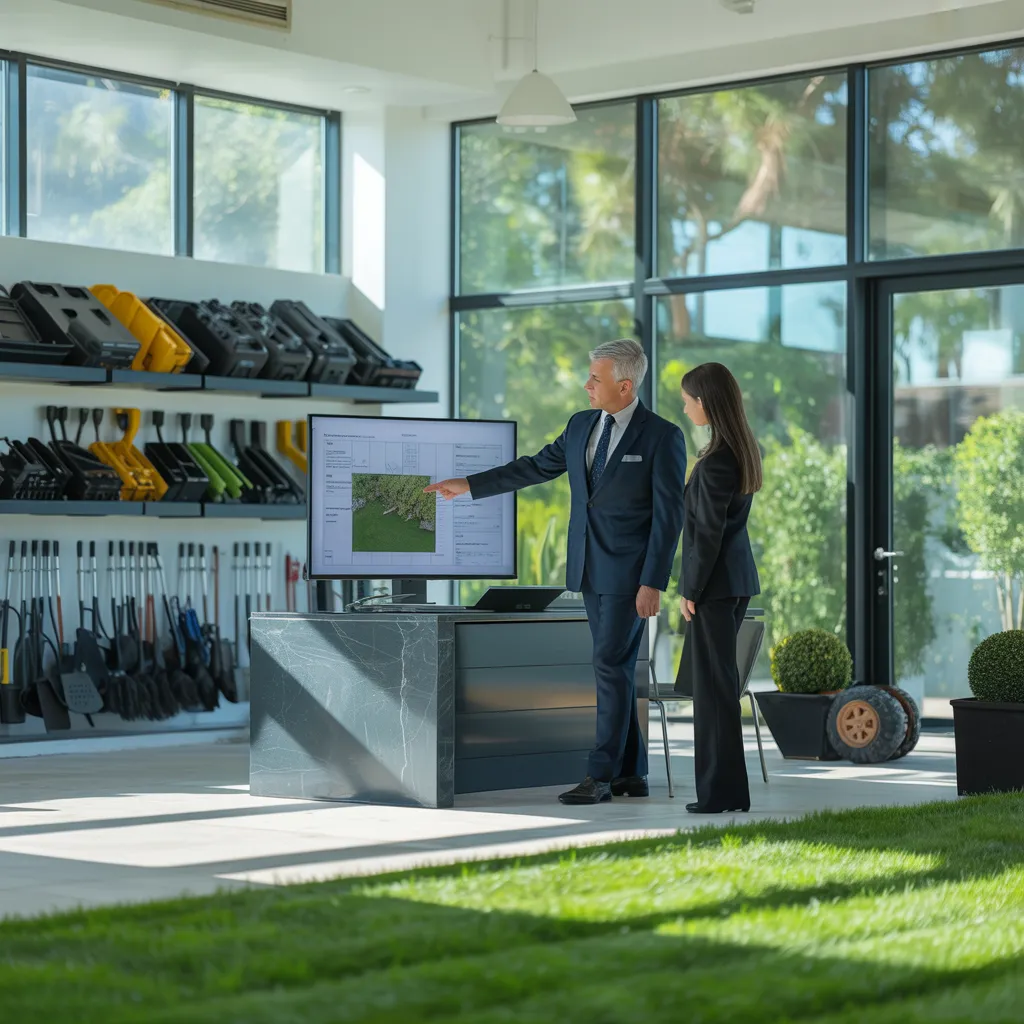
Steps to Determine Your Landscaping Vision
Outlining a landscaping vision is imperative for producing an exterior zone that embodies distinctive taste and addresses practical needs. This process begins with assessing the current setting, including soil quality, sunlight exposure, and climate considerations. Recognizing these variables assists with selecting suitable plants and materials.
Next, people should reflect on their daily habits and how they want to utilize the space. Whether for entertaining, plant cultivation, or relaxation, these activities will shape design choices.
Visual concepts may be obtained from various sources, like magazines, online platforms, or nature itself. Developing a mood board can help in clarifying your desires.
Ultimately, setting a budget is vital, as it affects plant determination, hardscaping possibilities, and complexity of design. By combining these elements, people can establish a clear outdoor design vision that balances visual beauty with usability, enabling a thriving landscape transformation.
Developing an Outstanding Garden Plan
Having a clear landscape plan confirmed, the subsequent step involves crafting the perfect landscape design. This process calls for a mixture of originality and practical considerations. Successful landscape design begins by assessing the site's distinct characteristics, such as topography, soil type, and sunlight exposure. These factors guide the layout, ensuring the design improves the natural beauty of the environment.
A effective design brings together different elements, including hardscaping features like patios and pathways, alongside softscaping components such as lawns and gardens. Strategic placement of these components creates a unified flow, leading visitors through the space. Additionally, attention to scale and proportion ensures that each element supports the others, avoiding excess or disharmony.
Ultimately, the composition should reflect the client's preferences while upholding efficiency. By strategically organizing every detail, a outdoor arrangement can convert the outdoor space into a breathtaking and inviting atmosphere, ready to be experienced year-round.
Finding Botanical Species That Perform Excellently in Your Climate
Identifying botanical specimens that perform well in a specific climate necessitates a thorough understanding of hardiness zones, which demonstrate which species can tolerate local temperatures. Moreover, prioritizing native plants can boost natural equilibrium and resilience in the landscape. Timing considerations elements also play an essential function in promoting enduring positive outcomes and health of the planting area.
Comprehending Plant Hardiness Designations
Comprehending hardiness zones is vital for gardeners and landscapers looking to cultivate plants that will thrive in their specific weather patterns. These zones, outlined by the USDA, group areas based on average minimum winter temperatures. By identifying the hardiness zone of a place, people can choose plants that are more likely to survive local climatic conditions. Each zone is numbered, with subdivisions showing slight temperature variations. For example, a plant intended for Zone 5 may not thrive in Zone 4, where winters are more extreme. Knowing these zones aids in selecting plant choices, resulting in healthier landscapes and reducing the risk of plant failure. This insight ultimately helps create a more resilient and vibrant garden or landscape.
Native Botanical Selection
While many gardeners may be inclined to select exotic plants for their landscapes, opting for native species often produces better results. Native plants are suited for regional weather and earth conditions, needing less water and maintenance versus non-native varieties. They provide critical environments for native fauna, promoting biodiversity and ecological balance. Selecting native species can also reduce pest issues, as these plants are naturally resistant to local diseases. Furthermore, incorporating native plants enhances the visual attractiveness of a landscape by reflecting the area's inherent charm. Landscapers are urged to research the particular indigenous species suitable for their region, ensuring a flourishing landscape that supports environmental sustainability. In the end, native plant selection creates a balanced and robust garden.
Time-of-year growth guidelines are vital for successful gardening
In the process of preparing a garden, gardeners must take into account the shifting seasonal climates that shape plant growth and health. Choosing plants that thrive in specific climate zones assures top growth and endurance. For example, in warmer regions, drought-resistant plants might be preferred, while cooler areas benefit from hardy perennials capable of withstanding frost. Knowing local weather patterns, including rainfall and temperature fluctuations, aids in picking the suitable species. Moreover, seasonal changes dictate planting times; spring suits many annuals, and fall works well for certain perennials. By matching plant choices with local climate circumstances, gardeners can cultivate colorful, durable landscapes that thrive year-round, lessening upkeep and increasing the garden’s aesthetic value.
Construct Your Ideal Landscape Oasis
Crafting a dream backyard paradise involves thoughtful deliberation of tailored design solutions that reflect personal inclinations. Practical exterior installations, featuring seating areas and cooking spaces, elevate functionality while enhancing the visual character. Combined, these elements modify a yard into a personalized retreat.
Bespoke Design Solutions
Tailored creative methods give homeowners the opportunity to transform their outdoor spaces into personalized havens. By considering individual preferences, lifestyles, and environmental factors, landscaping professionals produce unique designs that represent the homeowner's vision. These solutions cover various elements, such as plant selection, hardscaping, and layout adjustments, guaranteeing that each outdoor space is both aesthetically pleasing and functional. Through collaboration with clients, designers incorporate specific themes, colors, and materials, boosting the overall appeal. The goal is to form well-balanced environments that blend naturally with the home while satisfying the homeowner's practical needs. Ultimately, tailored design solutions not only enhance the beauty of outdoor areas but also cultivate a sense of connection with nature, enriching everyday experiences.
Functional Outdoor Features
Essential outdoor features hold a vital role in improving the usability and enjoyment of outdoor living spaces. These elements, such as patios, decks, and outdoor kitchens, form inviting areas for relaxation and mingling. Integrating features like fire pits and water elements can offer both beauty and practical returns, enabling homeowners to savor their yards throughout the year. Moreover, well positioned seating and dining areas promote gatherings, while pathways and lighting strengthen accessibility and protection. Environmentally conscious options, like rain gardens and permeable paving, advance ecological conditions. Ultimately, essential outdoor components reshape a yard into a versatile space that satisfies diverse demands, supporting homeowners to maximize their outdoor experience while fostering a serene balance between nature and design.
How Can You Improve Your Landscaping Into a More Sustainable Space?
How can homeowners transform their outdoor spaces into environmentally conscious landscapes? One effective approach is to include native plants, which need less water and upkeep while supporting local wildlife. Using water-conserving species can greatly decrease water consumption, making landscapes more sustainable.
Another strategy involves installing rain gardens to manage stormwater runoff effectively, enabling examine now rainwater to permeate into the ground rather than adding to pollution. Homeowners can also select organic fertilizers and pest management methods to reduce chemical consumption, fostering a more robust ecosystem.
Permeable paving materials used for walkways and parking areas maximize water infiltration, reducing erosion and runoff. Additionally, installing compost bins supports waste recycling and enhances soil quality.
Important Regular Landscape Maintenance
What important tasks guarantee a landscape endures as vibrant and healthy throughout the year? Year-round landscape maintenance involves a variety of important activities that boost premier increase and aesthetics. Regular grass maintenance makes certain that grass remains healthy and at an ideal height, while seasonal soil enrichment gives needed nutrients. Branch trimming shrubs and trees not only upholds their shape but also encourages vigorous surge and cuts the risk of disease.
Weeding is another critical task, as it avoids competition for resources among plants. Mulching aids in preserving soil moisture and limits weed growth, enhancing the overall appearance of garden beds. In addition, seasonal assessments of irrigation systems guarantee efficient water use, preventing waste and promoting sustainability.
Transforming Your Space: Stunning Before and After
A well-maintained landscape creates the foundation for significant changes that can enhance any outdoor space. Landscaping services excel at revitalizing environments, showcasing impressive before-and-after transformations that captivate. These projects often start with a thorough assessment of the existing landscape, pinpointing spots needing work, such as unruly foliage, damaged walkways, or lack of proper lights.
Once the design is settled, skilled professionals introduce additions that may incorporate new plantings, decorative features, and functional installations like patios or outdoor kitchens. The results can be striking: vacant yards can become colorful gardens, while dull pathways can be changed into inviting walkways.
Photographs illustrating these transformations reveal the capability of professional landscaping. The striking difference between the former state and the final result emphasizes not only aesthetic beauty but also the increased value of the property. Ultimately, a beautifully transformed landscape can create a welcoming atmosphere, enriching the complete enjoyment of exterior spaces.

Often Asked Questions
What Is the Typical Cost of Lawn Care Solutions?
The typical price of lawn care services usually falls from $1,500 to $5,000, based on factors such as project size, complexity, and materials used. Homeowners often find fluctuating costs based on economic conditions
How long Does a Landscaping Project Typically Take?
A landscaping undertaking typically takes between one to four weeks, contingent upon factors including project size, complexity, weather conditions, and the specific services required. Strategic planning can help enhance the timeline in an efficient manner.
Do You Provide Seasonal Landscaping Services?
Indeed, seasonal landscaping services are available, featuring spring clean-ups, summer maintenance, autumn leaf removal, and winter preparations. These offerings guarantee landscapes keep robust and attractive throughout the changing seasons, handling specific seasonal needs effectively.
Can I Upkeep My Garden Myself After Completion?
Yes, maintaining a landscape independently after installation is doable. However, it necessitates knowledge of proper procedures, tools, and seasonal care to ensure the landscape continues to be vigorous and visually attractive over time.
Which Gear Do You Utilize for Outdoor Design Undertakings?
Landscaping projects typically need equipment such as lawnmowers, trimmers, blowers, shovels, rakes, and various power tools. Larger jobs may also involve excavators and trucks for transporting materials, improving efficiency and precision in the work.